Where Do Pets Fly On A Plane . The department of transportation ( dot) has rules (14 cfr part 382) (pdf) that require airlines to allow passengers to fly with their service animals in the cabin on all u.s. The pet cargo hold is not pressurized. Flying With A Dog The Secret To Happy Trails, Tails from blog.pawstruck.com It is kept at the same temperature and pressure as the cabin, since the captain is notified of animals on board, and will make sure of this. Do i need to be on the same flight as my pet? The second option is to take your pet on the plane, under the seat in front of you.
How Does Bacteria Produce. The genetic material of this host bacterial cell can attach to the dna of any other bacterial cell, that is attacked by these new bacteriophages. It is inserted into a plasmid using ligase enzymes.
Monsanto's GMOs Alter DNA of Bacteria to Produce from butterbeliever.com
The transgenic bacterium reproduces, resulting in millions of identical bacteria that produce human insulin. They produce funky and sometimes hard to predict beers. All of this in your tiny patch of dirt.
To Summarize, Bacteria Reproduce Both Sexually And Asexually.
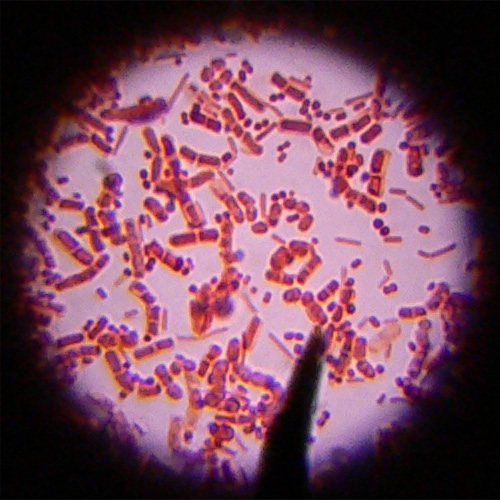
Bacterial reproduction most commonly occurs by a kind of cell division called binary fission. Bacteria live on skin, in the respiratory tract and throughout the digestive tract. All living cells produce reactive oxygen species (ros) as a byproduct of metabolism.
Coli, And The Bacteria Will Begin To Produce The Proteins Specified By The Foreign Genes.
Such altered bacteria are said to have been transformed. Gut bacteria produce enzymes to break down food in its simplest constituents and make b vitamins and vitamin k. There’s food and oxygen for you and your microbe neighbours among the roots of the plants nearby.
The Bacterial Cell Then Elongates And Splits Into Two Daughter Cells Each With Identical Dna To The Parent Cell.
Coli are well known, and its dna has been isolated and made to accept new genes. This results in the formation of replicated bacteriophages inside the bacterial cell, which opens up to release the former. Chemosynthesis, using carbon dioxide, water, and chemicals such as ammonia, nitrogen, sulfur, and.
Hence, The Older Mycologists Placed Bacteria In The Class Schizomycetes (Schizo, A Greek Word Meaning To Split Or Cut, Mycetes Meaning Fungi) Coordinate With The Other Four Classes Of True Fungi.
Four potential incentives behind the formation of biofilms by bacteria during infection are considered: Photosynthesis, using sunlight, water and carbon dioxide, or. The dna can then be forced into fresh cells of e.
The Pathogenicity Of Invasive Bacteria, Or Their Ability To Cause Disease, Is Generally The Result Of Toxins.
This feature earned for them the name fission fungi. There are also a variety of bacteria used to give sour beers the little extra something, too. Saccharomyces, commonly known as brewer’s yeast, is the single genus of yeast responsible for fermenting all clean beers, but is also used in sour beer production.


Comments
Post a Comment